


The realm of technology is constantly evolving, and one area that has been garnering significant attention in recent years is Augmented Reality (AR) touch screen technology. As a leading supplier of AR touch screen solutions, I've witnessed firsthand the rapid advancements and the potential that this technology holds for the future. In this blog post, I'll delve into the various aspects of AR touch screen technology, exploring its current state, potential applications, challenges, and what the future might hold.
Current State of AR Touch Screen Technology
AR touch screen technology combines the immersive experience of augmented reality with the tactile interaction of touch screens. Currently, this technology is being used in a variety of fields, from gaming and entertainment to education and industrial applications. In the gaming industry, AR touch screen devices allow players to interact with virtual objects in a real - world environment, providing a more engaging and immersive gaming experience. For example, players can use their touch screens to manipulate virtual characters or objects that appear to be in the same space as them.
In the education sector, AR touch screen technology is revolutionizing the way students learn. Teachers can use AR - enabled touch screens to present complex concepts in a more visual and interactive way. Students can touch and manipulate 3D models of historical artifacts, molecules, or astronomical objects, enhancing their understanding and retention of the material.
From a technical perspective, current AR touch screen devices are becoming more powerful and sophisticated. They are equipped with high - resolution displays, advanced sensors, and powerful processors that can handle the complex calculations required for AR applications. For instance, 7 Inch Diagonal LCD TFT Display and 7 Inch Color Tft Lcd Display offer high - quality visual output, which is essential for a realistic AR experience.
Potential Applications of AR Touch Screen Technology
Healthcare
In the healthcare industry, AR touch screen technology has the potential to transform medical training and patient care. Surgeons can use AR - enabled touch screens to practice complex procedures in a virtual environment before performing them on real patients. This can reduce the risk of errors and improve patient outcomes. Additionally, AR touch screens can be used to provide patients with more detailed information about their medical conditions. For example, a patient can use a touch screen to view a 3D model of their body and understand how a particular disease is affecting their organs.
Retail
Retailers can leverage AR touch screen technology to enhance the shopping experience. Customers can use AR - enabled touch screens in stores to visualize how products will look in their homes. For example, they can see how a piece of furniture will fit in their living room or how a new dress will look on them. This can increase customer satisfaction and reduce the rate of product returns.
Architecture and Design
Architects and designers can use AR touch screen technology to present their projects to clients in a more immersive way. They can create 3D models of buildings or interior designs and allow clients to interact with them using touch screens. Clients can walk through virtual buildings, change the color of walls, or move furniture around, providing more feedback and making the design process more collaborative.
Challenges Facing AR Touch Screen Technology
Despite its potential, AR touch screen technology also faces several challenges. One of the main challenges is the issue of user fatigue. Interacting with AR - enabled touch screens for extended periods can cause eye strain and discomfort. This is because the brain has to work harder to process the virtual and real - world information simultaneously. To address this issue, manufacturers need to develop more comfortable and ergonomic designs for AR touch screen devices.
Another challenge is the high cost of development and production. AR touch screen devices require advanced sensors, high - resolution displays, and powerful processors, which can be expensive to manufacture. This makes the devices less accessible to a wider range of consumers. Additionally, the development of AR applications requires specialized skills and knowledge, which can also drive up the cost.
There are also concerns about privacy and security. AR touch screen devices collect a large amount of data about users, including their location, movements, and interactions. This data can be vulnerable to hacking and misuse. Manufacturers need to implement robust security measures to protect user data and ensure privacy.
The Future of AR Touch Screen Technology
Looking ahead, the future of AR touch screen technology is promising. As technology continues to advance, we can expect to see more powerful and affordable AR touch screen devices. The development of new materials and manufacturing techniques will likely reduce the cost of production, making these devices more accessible to consumers.
One of the key trends in the future will be the integration of AR touch screen technology with other emerging technologies, such as artificial intelligence (AI) and the Internet of Things (IoT). AI can enhance the functionality of AR applications by providing more intelligent and personalized experiences. For example, an AR - enabled touch screen device can use AI to recognize a user's gestures and preferences and provide relevant information or suggestions.
The IoT can also play a significant role in the future of AR touch screen technology. AR touch screens can be connected to other smart devices in a home or office, allowing users to control and interact with them in a more intuitive way. For example, a user can use an AR - enabled touch screen to turn on the lights, adjust the temperature, or play music in their home.
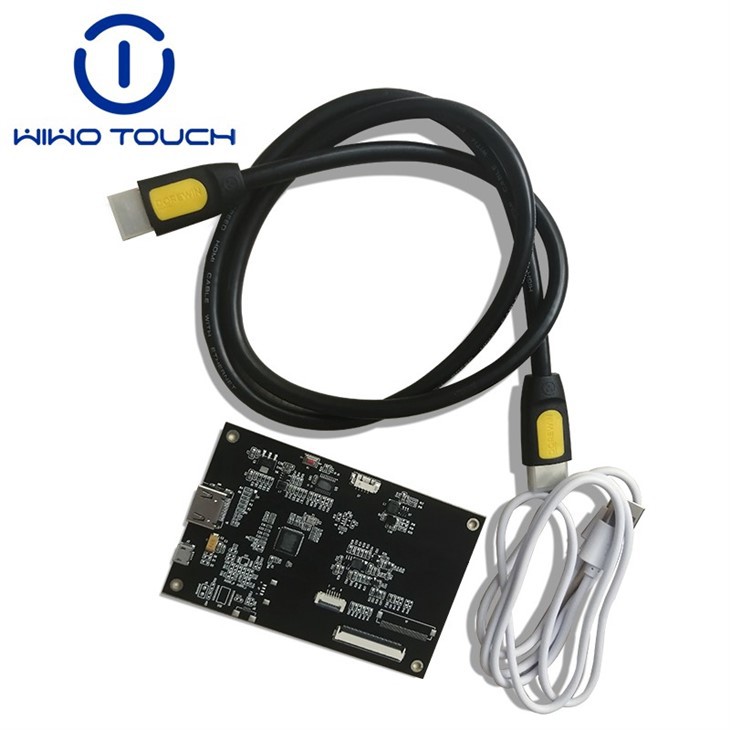

In terms of display technology, we can expect to see further improvements in resolution, color accuracy, and field of view. Small touch lcd display module 0.96 - 10.1" screen 7 inch 1024RGB600 LCD touch screen with IIC interface is a step in the right direction, but future displays will likely offer even better performance.
Conclusion
The future of AR touch screen technology is full of possibilities. It has the potential to transform various industries and enhance our daily lives in many ways. However, to fully realize this potential, we need to address the challenges facing the technology, such as user fatigue, cost, and security.
As a supplier of AR touch screen solutions, we are committed to driving the development of this technology. We are constantly working on improving the performance and functionality of our products, as well as reducing their cost. If you are interested in exploring the potential of AR touch screen technology for your business or project, we would love to have a discussion with you. Contact us to start a procurement negotiation and discover how our AR touch screen solutions can meet your needs.
References
- Milgram, P., & Kishino, F. (1994). A taxonomy of mixed reality visual displays. IEICE Transactions on Information and Systems, 77(12), 1321 - 1329.
- Azuma, R. T. (1997). A survey of augmented reality. Presence: Teleoperators and Virtual Environments, 6(4), 355 - 385.
- Slater, M., & Wilbur, S. (1997). A framework for immersive virtual environments (FIVE): Speculations on the role of presence in virtual environments. Presence: Teleoperators and Virtual Environments, 6(6), 603 - 616.