


As a supplier of TFT touch screens, I often encounter inquiries from customers about the performance of our products in various environments. One question that comes up frequently is whether a TFT touch screen can be used in high - temperature environments. In this blog post, I'll explore this topic in detail, drawing on our experience and the latest industry knowledge.
Understanding TFT Touch Screen Technology
Before delving into the high - temperature performance, it's essential to understand the basic components of a TFT touch screen. A TFT (Thin - Film Transistor) touch screen consists of a liquid crystal display (LCD) panel and a touch - sensing layer. The LCD panel uses liquid crystals that can be electronically controlled to block or allow light to pass through, creating images. The touch - sensing layer, on the other hand, detects the touch input from the user.
The liquid crystals in the LCD panel are sensitive to temperature. At normal operating temperatures, usually between 0°C and 50°C, the liquid crystals can change their orientation quickly and accurately in response to electrical signals. This allows for clear and sharp image display. The touch - sensing layer also functions optimally within a specific temperature range.
Challenges of High - Temperature Environments
High - temperature environments pose several challenges to TFT touch screens.
Impact on Liquid Crystals
As the temperature rises above the normal operating range, the liquid crystals in the LCD panel start to behave differently. The increased thermal energy causes the molecules in the liquid crystals to move more freely. This can lead to a decrease in the contrast ratio of the display. The images may appear washed out, and the colors may not be as vibrant as they are at normal temperatures.
In extreme cases, if the temperature gets too high, the liquid crystals may lose their ability to maintain a stable orientation. This can result in a complete loss of image display, where the screen appears blank or shows only a uniform color.
Effects on the Touch - Sensing Layer
The touch - sensing layer is also affected by high temperatures. Most touch - sensing technologies rely on electrical conductivity or capacitance. High temperatures can change the electrical properties of the materials used in the touch - sensing layer. For example, the resistance of the conductive materials may increase, which can lead to a decrease in the sensitivity of the touch screen. The touch screen may not respond accurately to the user's touch, or it may register false touches.
Thermal Expansion
Another issue is thermal expansion. Different components of the TFT touch screen, such as the glass substrate, the circuit boards, and the housing, expand at different rates when heated. This can cause mechanical stress on the components, leading to cracks or delamination. Over time, this can damage the touch screen and reduce its lifespan.
Our Solutions for High - Temperature Use
Despite these challenges, we, as a TFT touch screen supplier, have developed several solutions to enable our products to perform well in high - temperature environments.
Specialized Liquid Crystals
We use specialized liquid crystals that have a wider operating temperature range. These liquid crystals are designed to maintain their stability and performance even at higher temperatures. They can still change their orientation accurately in response to electrical signals, ensuring a clear and sharp image display.
Advanced Touch - Sensing Technologies
Our touch - sensing technologies are also designed to be more resistant to high temperatures. We use materials with stable electrical properties at high temperatures. Additionally, our touch - sensing algorithms are optimized to compensate for any changes in the electrical properties of the touch - sensing layer due to temperature variations. This ensures that the touch screen can still accurately detect the user's touch even in high - temperature environments.
Heat Dissipation Design
To address the issue of thermal expansion, we have incorporated heat dissipation designs into our TFT touch screens. Our products are equipped with heat sinks and ventilation channels that help to dissipate the heat generated during operation. This reduces the temperature of the components and minimizes the risk of mechanical damage due to thermal expansion.
Case Studies
We have had several customers who have used our TFT touch screens in high - temperature environments. For example, a manufacturing plant needed touch screens for their control panels, which were located near high - temperature industrial equipment. They initially had problems with their previous touch screens, such as poor image quality and inaccurate touch response.
After switching to our high - temperature - resistant TFT touch screens, they noticed a significant improvement. The images on the touch screens remained clear and sharp, and the touch response was accurate. The heat dissipation design also ensured that the touch screens did not overheat, even after long - term use in the high - temperature environment.
Our Product Offerings for High - Temperature Use
We offer a range of TFT touch screens that are suitable for high - temperature environments. Some of our popular products include:
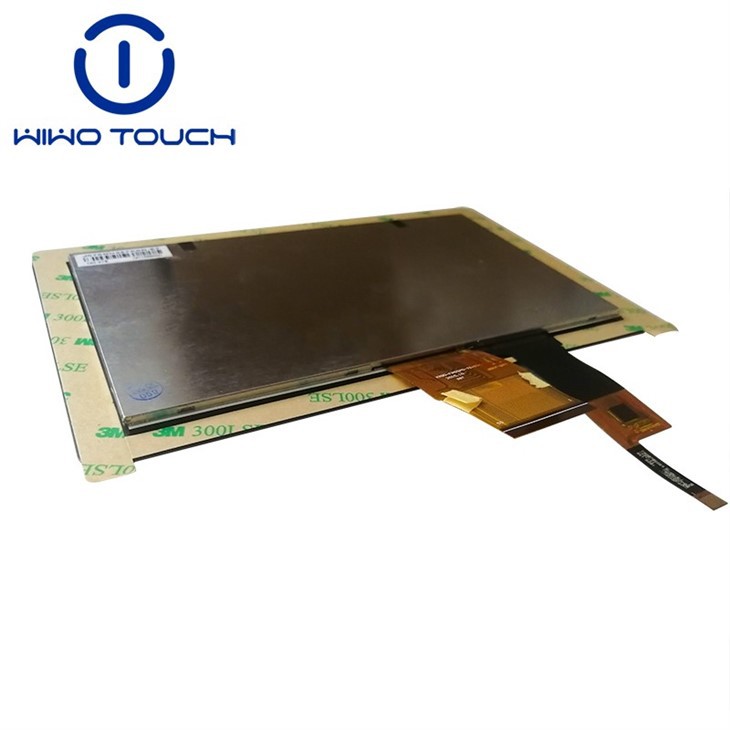
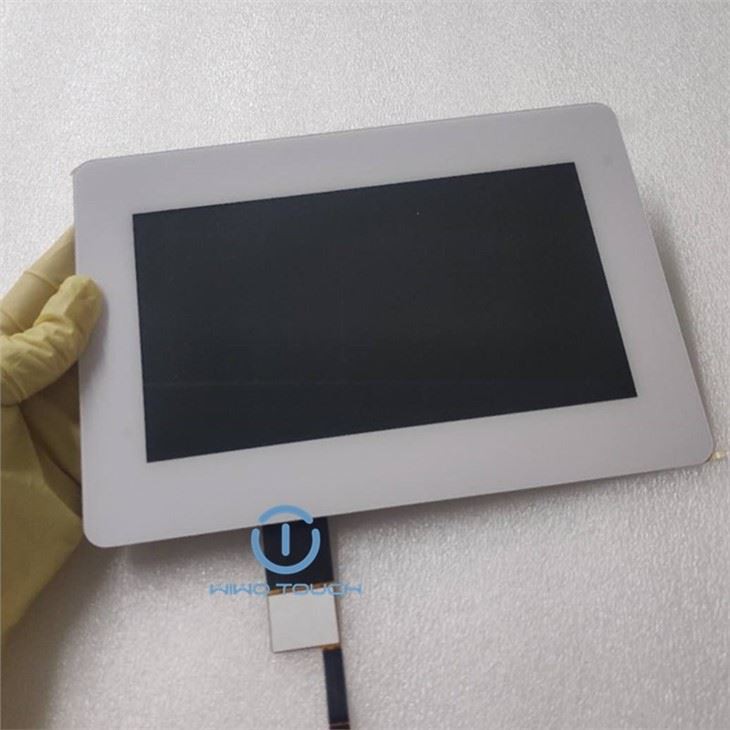
- 7 Inch 800 X 480 TFT LCD Display: This display is designed with high - temperature - resistant liquid crystals and a robust touch - sensing layer. It provides clear and sharp images even in high - temperature conditions.
- Small touch lcd display module 0.96 - 10.1" screen 7 inch 1024RGB600 LCD touch screen with IIC interface: With its advanced touch - sensing technology and heat dissipation design, this touch screen is ideal for use in high - temperature industrial applications.
- 7 inch TFT Module LCD touch screen: This product offers a combination of high - resolution display and reliable touch performance, even in challenging high - temperature environments.
Conclusion
While high - temperature environments present challenges to TFT touch screens, our solutions as a supplier have made it possible for our products to perform well in such conditions. Our specialized liquid crystals, advanced touch - sensing technologies, and heat dissipation designs ensure that our TFT touch screens can provide clear image display and accurate touch response even at higher temperatures.
If you are looking for TFT touch screens for high - temperature applications, we invite you to contact us for more information. Our team of experts can help you choose the right product for your specific needs. We are committed to providing high - quality TFT touch screens that meet the demands of even the most challenging environments.
References
- "Liquid Crystal Displays: Fundamentals and Applications" by Shin - Tson Wu and David K. Yang
- "Touch Screen Technology: Principles, Design, and Applications" by John M. Kolyer